
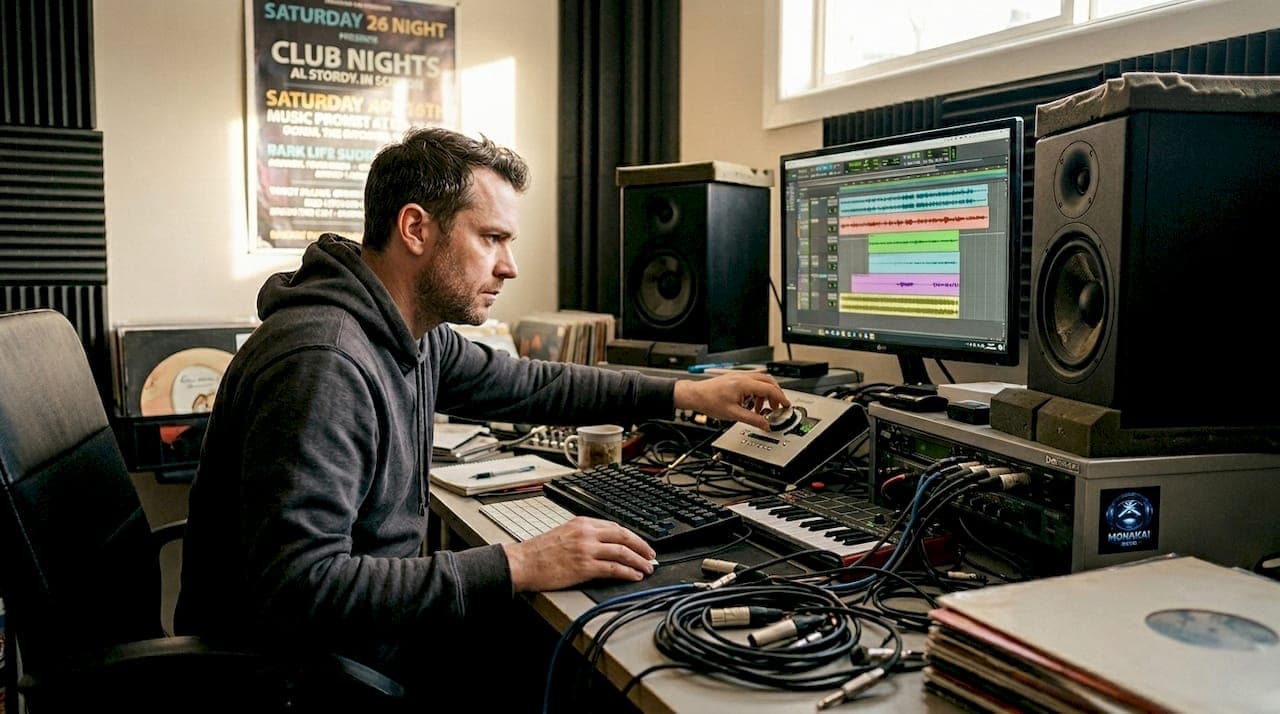
Picking the right bass-heavy genre for your next underground set in San Francisco is harder than it sounds. The city’s warehouse raves and intimate clubs demand more than just good taste. They demand precision. Drum & Bass, Dubstep, Techno, and House each carry a distinct sonic identity, and the wrong pick can kill a floor that was ready to erupt. Knowing the difference between a neurofunk roller and a wobble-heavy Dubstep drop is not just trivia. It’s the difference between a set that transcends the ordinary and one that fades into the background. This guide breaks down each genre, compares them side by side, and gives you actionable picks for SF’s underground scene.
Table of Contents
Key Takeaways
| Point | Details |
|---|---|
| Genre shapes event energy | Each genre’s rhythm and bass dictates the vibe and crowd response in SF’s underground events. |
| Hybrid genres drive innovation | Mixing elements from Drum & Bass, Dubstep, Techno, and House produces fresh, boundary-pushing sounds. |
| SF venues influence genre selection | Warehouses and clubs favor bass-heavy genres, so knowing the venue helps DJs choose the right style. |
| Expert tips for DJs | Experienced DJs recommend matching genre tempo and bass to the event’s mood and crowd dynamics. |
Criteria for selecting the right genre
Choosing the right genre starts before you even load a track. You need to read the room, understand the venue, and match the energy of the crowd. SF’s underground circuit spans converted warehouses in SoMa, intimate basement clubs in the Mission, and outdoor raves in the East Bay. Each space carries its own vibe, and your genre selection has to honor that.
Here are the core criteria to evaluate before committing to a genre for your set:
-
Tempo and BPM: Drum & Bass runs 160-180 BPM, Dubstep sits at 135-145 BPM, Techno ranges from 120-150 BPM, and House grooves between 120-130 BPM. Match the tempo to the crowd’s physical energy level.
-
Bass presence: Sub-bass, wobble, and Reese bass each hit differently in a room. A sub-heavy Dubstep drop needs serious low-end speaker capability. Not every venue delivers that.
-
Crowd type: Are you playing for dancers who want rhythmic groove, head-nodders locked into complex rhythms, or a mixed crowd that wants to vibe without going full mosh?
-
Venue acoustics: SF warehouse spaces often have raw, reflective walls. Genres with dense mid-range frequencies like neurofunk can sound muddy without proper EQ.
-
Event context: A late-night underground closer calls for something darker and more hypnotic. An early warm-up slot needs groove and accessibility.
As kick drum sound design guides confirm, genres are distinguished by drum patterns, bass design, and arrangement structure. House relies on groove and syncopation, while Techno leans into hypnotic mechanical repetition. Understanding that distinction shapes every decision you make behind the decks.
Pro Tip: Before your next gig, visit the venue during a different event. Listen to how the bass sits in the room. That acoustic knowledge is worth more than any gear upgrade.
Drum & Bass: Fast-paced energy and complex basslines
Drum & Bass is the engine of SF’s underground scene. Raw, fast, and technically demanding, it rewards DJs who understand rhythm at a deep level. The genre operates at 160-180 BPM with heavy sub-bass, complex drum programming, and syncopated rhythms that keep crowds locked in from the first bar.
The subgenre landscape inside DnB is wide:
-
Liquid funk: Melodic, soulful, accessible. Great for early-evening sets or mixed crowds.
-
Neurofunk: Dark, technically complex, with layered Reese bass and intricate drum programming. Built for heads.
-
Jump-up: High-energy, crowd-pleasing, with punchy basslines and simple but devastating drops.
-
Techstep: Industrial textures, mechanical rhythms, and a raw underground edge that hits hard in warehouse settings.
SF events like Cyberbass at F8 and Bass Vault have built their reputations on DnB’s versatility. These nights pull crowds that range from seasoned heads to newer fans discovering the genre for the first time. That diversity is DnB’s strength. You can move from a liquid opener to a neurofunk peak-time roller without losing the room.
The Reese bass, a staple of darker DnB subgenres, is built from a detuned sawtooth wave with heavy modulation. It creates that signature growling, shifting low-end that feels physical in a room with proper sub speakers. Layering Reese bass with a clean sub underneath gives you both the texture and the weight.
“Drum & Bass spans everything from raw underground grit to polished festival sound, making it one of the most adaptable genres in the electronic music ecosystem.” — SF underground scene perspective
For DJs new to DnB, start with liquid sets to build crowd trust, then push into neurofunk or techstep as the night deepens. The genre rewards patience and programming skill.
Dubstep: Deep bass drops and halftime grooves
Dubstep operates in a completely different time dimension compared to DnB. The half-time feel at 135-145 BPM creates a perceived groove closer to 70 BPM, giving the music a heavy, lurching quality that hits differently in your chest. That space between beats is where Dubstep lives.
Key production features that define the genre:
-
Wobble bass: LFO modulation applied to a filtered bass synth, creating that signature rhythmic pulse.
-
Sparse arrangement: Dubstep intentionally strips back elements before a drop, building tension through absence.
-
Heavy snare placement: The snare lands on beat three, reinforcing the half-time feel and creating anticipation.
-
Sub-bass weight: Beneath the wobble sits a pure sub that needs serious speaker displacement to translate properly.
SF events like Deep Dark & Dangerous and Grime City have championed Dubstep and its grime-adjacent cousins for years. These nights attract crowds who understand the genre’s roots, its UK origins, and its evolution into harder, more aggressive forms. Playing Dubstep in SF means respecting that history while pushing the sound forward.
The build-up and drop structure in Dubstep is an art form. Long, tension-filled intros that strip elements away, followed by a drop that reintroduces bass weight with maximum impact. When you layer sparse elements correctly, the contrast makes the drop feel devastating.
Pro Tip: In Dubstep production and DJing, less is more before the drop. Resist the urge to fill every bar. The silence creates the impact. A single well-placed wobble bass hit in a stripped-down break lands harder than a busy arrangement.
Techno & House: Hypnotic loops vs. groovy beats
Techno and House share a four-on-the-floor kick pattern, but they deliver completely different experiences on a dance floor. Understanding the contrast helps you deploy each one strategically.
Techno runs at 120-150 BPM with repetitive, hypnotic loops, mechanical beats, and industrial textures. It is built for endurance. Long sets, gradual builds, and a structural emphasis on tension and release over extended periods. SF warehouse raves lean heavily into Techno for late-night and peak-time slots.
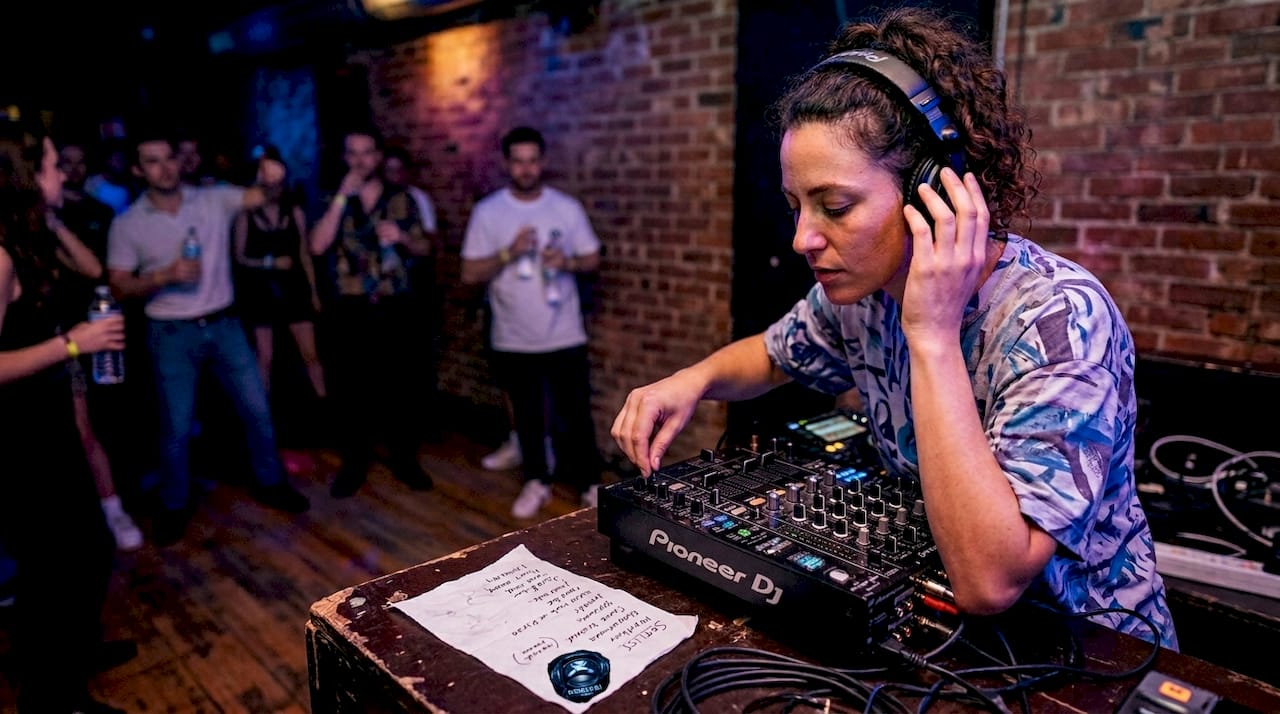
House brings groove, syncopation, and an uplifting vibe that connects with crowds emotionally. The swing in a House groove invites movement in a way that Techno’s mechanical precision does not. House works beautifully as an opener or a come-down genre after a peak-time Techno or DnB set.
| Feature | Techno | House |
|---|---|---|
| BPM range | 120-150 | 120-130 |
| Groove style | Mechanical, hypnotic | Swung, soulful |
| Atmosphere | Industrial, dark | Warm, uplifting |
| Set placement | Peak time, late night | Opener, cool-down |
| Bass character | Punchy kick, minimal sub | Groove-driven, mid-bass |
Hybridization between Techno and bass genres is accelerating in SF. Dubstep/Techno crossovers blend the half-time groove of Dubstep with Techno’s relentless kick structure. These hybrid tracks are showing up in sets at underground SF events and creating new subcultures within the scene.
Key characteristics that separate them in a live context:
-
Techno rewards patient listening and builds over 8-16 bar phrases
-
House invites immediate physical response through groove and chord stabs
-
Both genres thrive in warehouse acoustics where low-end has room to breathe
Hybrid genres, evolution, and scene recommendations
The most exciting thing happening in SF’s underground scene right now is the breakdown of genre walls. StufferDNB represents one of the more extreme examples: dense layering, complex arrangements, and a sound that pushes DnB into almost overwhelming sonic territory. It is not for every crowd, but it is exactly the kind of innovation that keeps underground scenes vital.
Other hybrids reshaping the SF landscape:
-
Dubstep/hard techno fusions: Combining Dubstep’s half-time groove with Techno’s relentless mechanical energy. Dark, heavy, and physically demanding.
-
Techstep DnB resurgence: Older heads are bringing back the industrial edge of late-90s techstep, updated with modern production tools.
-
Brostep evolution: Moving past its peak-era excess into more nuanced, textured territory that appeals to both Dubstep purists and crossover fans.
SF’s underground warehouse events like Deep Dark & Dangerous, Grime City, and Cyberbass at F8, with promoters like DJ Dials and Bass Vault, are where these hybrids get tested in real time. These events are your best research tool.
For DJs building out their genre selection strategy, here is a sequential recommendation framework:
-
Start with your strongest genre and build credibility with the crowd.
-
Introduce hybrid tracks as bridges between genre sections.
-
Read the crowd response to hybrids before committing to a full genre shift.
-
Save your most experimental or niche selections for peak time when the crowd is fully committed.
-
Close with something that honors the event’s core identity, whether that is raw underground DnB or hypnotic Techno.
Why the conventional wisdom on bass-heavy genres is outdated
Most genre guides treat Drum & Bass, Dubstep, Techno, and House as fixed categories with clear boundaries. That framing made sense in 2005. It does not reflect what is actually happening on SF dance floors in 2026.
The evolution from raw underground to polished festival sounds has created a feedback loop. Artists push boundaries, crowds respond, promoters book based on crowd response, and new subgenres emerge. The conventional list of genre rules misses all of that dynamic movement.
What I have learned from years inside SF’s underground scene is that the crowd always knows before the critics do. When a hybrid track lands hard at a warehouse rave, that is a data point worth more than any genre taxonomy. The DJs who thrive here are not the ones who stick rigidly to genre rules. They are the ones who follow crowd cues and trust their ears over labels.
Stop thinking in genre boxes. Start thinking in energy arcs and bass weight. The genre is just the vehicle. The feeling is what matters.
Pro Tip: Follow the event leaders in SF’s scene closely. What Cyberbass, Bass Vault, and Deep Dark & Dangerous are booking right now tells you where the underground is heading six months from now.
Connect with San Francisco’s immersive music experiences
If this breakdown has you fired up about the SF underground scene, there is a lot more to explore beyond the article.
As an SF music producer and DJ rooted in bass-heavy genres, I have built spaces and resources specifically for people who want to go deeper. The immersive listening room is a 3D audio experience designed to let you feel bass music the way it was meant to be heard, not just through speakers but through the room itself. For DJs and producers looking to sharpen their craft, the artist resources section covers production tools, scene insights, and community connections that go beyond what any single article can deliver. Get involved. The SF underground is alive, and there is room for everyone who brings real passion to the floor.
Frequently asked questions
What are the defining features of Drum & Bass compared to Dubstep?
Drum & Bass uses fast breakbeats at 160-180 BPM with layered Reese bass, while Dubstep runs at 135-145 BPM with a half-time feel, heavy wobble bass, and syncopated drops that hit differently in your chest.
Which underground events in San Francisco feature bass-heavy genres?
Events like Deep Dark & Dangerous, Grime City, Cyberbass at F8, and Bass Vault are the core anchors of SF’s bass-heavy underground warehouse scene, each specializing in slightly different corners of the genre spectrum.
How do DJs choose the right genre for a warehouse rave?
Most DJs evaluate tempo, bass impact, venue acoustics, and crowd energy, using drum patterns and arrangement as the primary technical anchors, then layer in hybrid tracks to maintain flexibility across the set.
What are some popular hybrid electronic music genres in SF?
Dubstep/hard techno fusions, techstep Drum & Bass, and stufferDNB are the hybrids generating the most energy in SF’s underground scene right now, blending dense layering with cross-genre bass weight.