
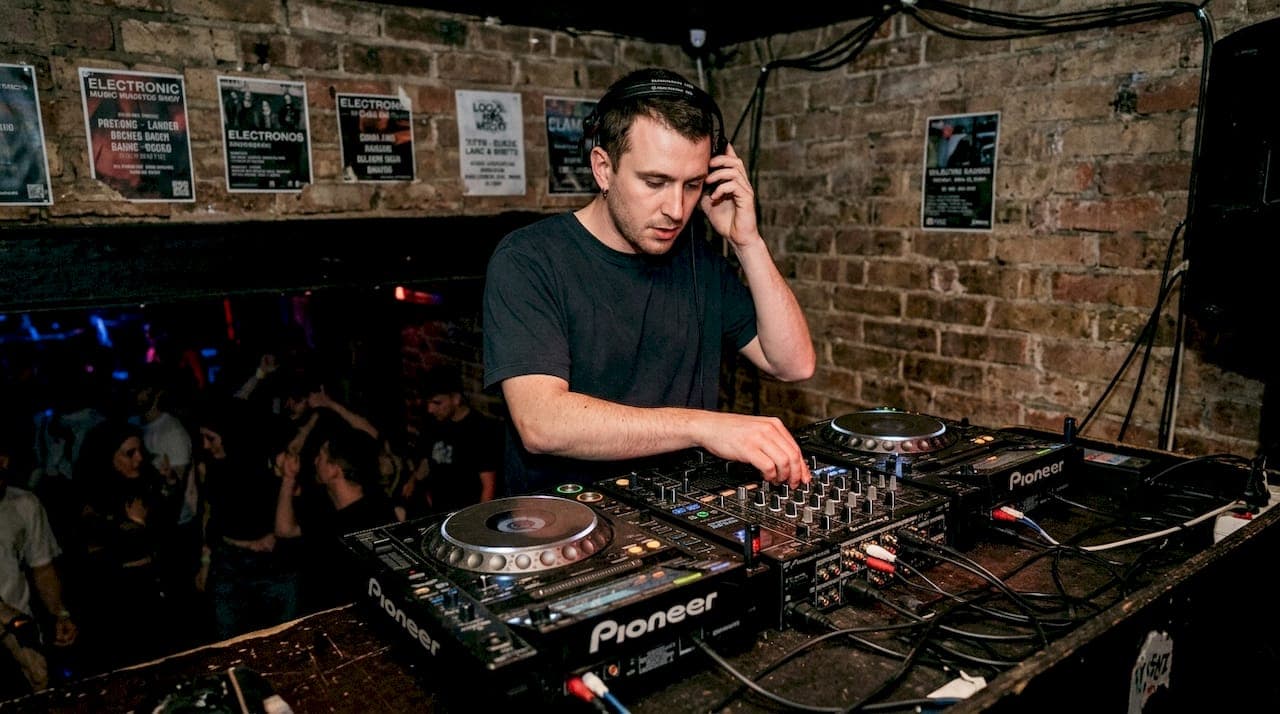
The underground electronic music scene is louder than ever, and breaking through the noise takes more than just good taste in tracks. Whether you're spinning Drum & Bass, Dubstep, House, or Techno, the challenge of standing out in a crowded scene is real. Too many talented DJs stay invisible because they skip the fundamentals, rush their set design, or forget that promotion is half the battle. This guide walks you through every stage, from choosing your gear and curating your sound, to performing with confidence and spreading your music to the people who need to hear it. Let's build something unforgettable together.
Table of Contents
- Laying the groundwork: Gear, music selection, and influence
- Step-by-step set building: Programming your flow and energy
- Performance essentials: Mastering your set live
- Promoting your DJ sets and building your brand
- Why true underground success requires more than perfect mixing
- Take your underground DJ journey further
- Frequently asked questions
Key Takeaways
| Point | Details |
|---|---|
| Start with strong groundwork | Select your gear and tracks with care to build a unique DJ identity. |
| Program dynamic sets | Use energy flow and track order to keep underground crowds engaged. |
| Master live performance | Prepare for technical issues and interact confidently with your audience. |
| Promote consistently | Leverage online and grassroots channels to broaden your reach. |
| Build community presence | Success depends on both individual style and active underground participation. |
Laying the groundwork: Gear, music selection, and influence
With motivation clear and commitment strong, it's time to plan the foundation of your underground DJ set. The gear conversation can feel overwhelming, but here's the truth: you don't need to spend a fortune to sound incredible. What matters is reliability, feel, and knowing your tools inside out.
At the core, every underground DJ needs a solid setup. Here's what to prioritize:
- Decks or controllers: CDJs like the Pioneer CDJ-2000NXS2 are industry standard in clubs, but a quality controller works perfectly for home practice and smaller venues.
- Mixer: A two or four-channel mixer with EQ control is non-negotiable. The Allen & Heath Xone series is beloved in the underground for its warm analog sound.
- Audio interface: Essential for recording and streaming your sets with clean sound.
- Headphones: Closed-back headphones (Sennheiser HD 25s are a classic) let you cue tracks without bleeding into the main output.
- Backup drives: Always bring two USB drives loaded with your tracks. Always.
Software matters too. Rekordbox for track organization and preparation, Traktor for live performance flexibility, and Ableton Live for those who want to blend production and DJing are all worth exploring. Successful underground DJs invest in quality equipment and spend serious time curating unique track selections that reflect their personal vision.
Track selection is where your identity lives. Digging for music, whether through Bandcamp, Beatport, or local record shops, is a ritual. Go deep into sub-labels, follow producers you admire, and always listen for tracks that feel slightly ahead of the curve. The underground rewards those who bring something fresh.
| Tool | Best for | Price range |
|---|---|---|
| Pioneer CDJ-2000NXS2 | Club-standard playback | $$$$ |
| Allen & Heath Xone:23 | Analog warmth, small venues | $$ |
| Sennheiser HD 25 | Cueing and monitoring | $$ |
| Rekordbox | Track prep and organization | Free/$ |
| Ableton Live | Live hybrid sets | $$$ |
Pro Tip: Before buying expensive gear, spend time establishing your DJ reputation with what you already have. A creative set on a budget controller beats a boring set on $10,000 of CDJs every single time.
Draw inspiration from your local scene and global underground trends. Attend events, study how resident DJs read the room, and absorb the energy of the music you love. Your influences will shape your sound more than any piece of gear ever will.
Step-by-step set building: Programming your flow and energy
With a solid toolbox of resources, let's build the actual set from tracklist to show structure. Think of your set like a story. It needs a beginning that pulls people in, a middle that takes them somewhere, and an ending that leaves them wanting more.
Here's a step-by-step approach to structuring your underground set:
- Open with intent: Start with a track that sets the mood without blowing the roof off immediately. Atmospheric, hypnotic, or low-energy openers give the crowd time to arrive and settle.
- Build the energy: Gradually increase BPM and intensity over the first 20 to 30 minutes. Layer in tracks with stronger basslines and more percussive elements.
- Hit the peak: This is your centerpiece. Drop your most powerful, crowd-moving tracks here. This is the moment the room should feel electric.
- Create a breakdown: After the peak, pull back slightly. A well-placed breakdown resets the crowd's emotional state and makes the next build hit even harder.
- Close with purpose: Your outro should feel like a natural exhale. Bring the energy down gracefully, leaving the crowd satisfied but still buzzing.
Crafting an effective set flow involves strategic energy curves and careful track transitions that keep the audience locked in from the first beat to the last.
Live mixing versus pre-arranged playlists is a debate worth understanding:
| Approach | Pros | Cons |
|---|---|---|
| Live mixing | Responsive, spontaneous, exciting | Higher risk of errors |
| Pre-arranged playlist | Consistent, polished, rehearsed | Less flexible to crowd mood |
| Hybrid approach | Balanced control and creativity | Requires more preparation |
For underground set programming, the hybrid approach tends to work best. Have a rough structure planned, but leave room to improvise based on what the crowd is giving you.
Pro Tip: Study the crowd's body language constantly. Crossed arms and still feet mean you need to shift energy. Raised hands and movement mean you're in the zone. Trust what you see as much as what you hear.
Transitions are the glue. Practice beatmatching until it's automatic, and experiment with EQ transitions, filter sweeps, and creative effects to make your mixes feel seamless and intentional.
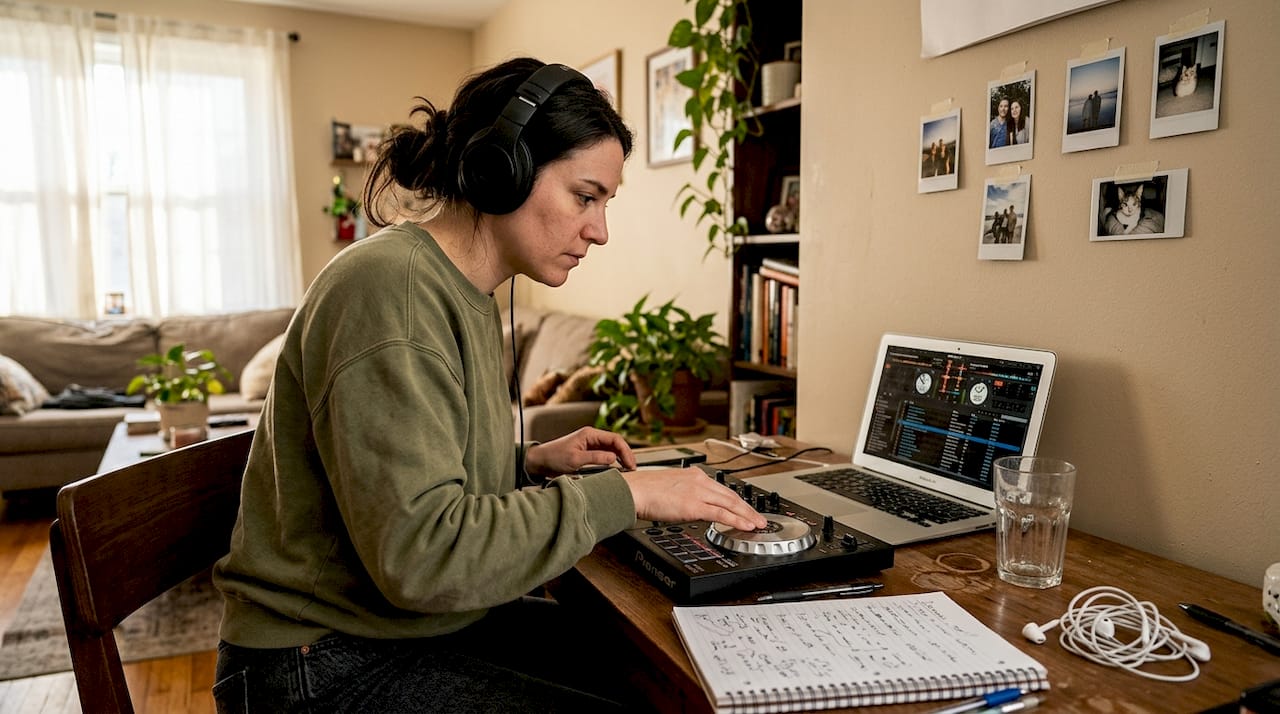
Performance essentials: Mastering your set live
A well-designed set is only as powerful as its execution in front of a crowd. The gap between rehearsal and the real thing can feel massive, especially your first few times behind the decks in a live environment. Here's how to close that gap.
Before you even step into the booth, run through this checklist:
- Arrive early and test all connections before doors open
- Confirm your USB drives are properly formatted for the venue's CDJs
- Have a backup playlist ready on a second drive
- Know the venue's monitoring setup and adjust your headphone levels accordingly
- Communicate with the sound engineer before your set starts
Nerves are normal. Even seasoned DJs feel them. The key is channeling that energy into focus rather than letting it spiral into panic. Breathe. Ground yourself in the music. Remember that the crowd wants you to succeed.
Technical errors will happen. A skipping track, a missed cue, a sudden feedback spike. Live performance requires technical dexterity and adaptability to on-the-fly changes that no amount of bedroom practice fully prepares you for. When something goes wrong, stay calm, cue up a backup track, and keep the music moving. The crowd rarely notices what you notice.
"The best DJs I've ever seen aren't the ones who never make mistakes. They're the ones who turn mistakes into moments. Embrace the energy in the room and let it guide you." — Monakai
Crowd interaction is underrated in the underground. You don't need to talk on the mic constantly, but making eye contact, nodding, and visibly feeling the music creates a connection that elevates the entire experience. People feel when a DJ is present with them.
Turning mistakes into memorable moments is a real skill. A dropped beat that you recover from with a creative fill, or a track that doesn't land the way you expected but you pivot into something unexpected, these moments often become the stories people tell after the night is over.
Promoting your DJ sets and building your brand
Nailing your performance is just the start. The true journey begins when your music starts spreading. In 2026, visibility is everything, and the underground scene rewards those who show up consistently, both in the booth and online.
Start by documenting every set you play. Record audio with a clean interface feed, capture video if possible, and photograph your setup and the crowd. These assets become the foundation of your promotional presence.
Here's where to share your music and build your community:
- SoundCloud: Still the heartbeat of the underground DJ community for mix uploads
- Mixcloud: Great for longer sets and legal streaming of licensed music
- Instagram and TikTok: Short clips, behind-the-scenes content, and crowd reaction videos perform well
- Facebook groups and Discord servers: Local and genre-specific communities where real connections happen
- Resident Advisor and Bandcamp: For more serious credibility and music sales
Actively promoting sets and engaging with communities increases visibility for underground DJs in ways that passive uploading never will. Engagement is the engine.
Statistic callout: DJs who consistently post and engage online report a significant increase in gig inquiries within six months compared to those who only upload sporadically. Consistency beats virality every time in the underground.
Your press kit matters more than you think. A clean bio, high-resolution photos, links to your best mixes, and a list of past performances give promoters everything they need to book you with confidence. Keep it updated and easy to access.
Branding in the underground doesn't mean selling out. It means having a clear identity. Your name, your visual aesthetic, and the vibe of your music should all feel cohesive. When someone hears your name, they should instantly know what kind of energy you bring. Building that recognition through community audience growth takes time, but it compounds powerfully.
Why true underground success requires more than perfect mixing
Here's something most DJ guides won't tell you: technical perfection is the floor, not the ceiling. I've watched incredibly skilled DJs plateau because they treated the craft as purely technical. And I've watched DJs with rougher edges build loyal, passionate followings because they brought something real to every set.
The underground scene has always been about community, identity, and contribution. The DJs who last aren't just good at mixing. They show up for other artists, support local nights, share knowledge freely, and bring their genuine selves to every performance. Relationships in this scene outlast any single booking.
Resilience is the most underrated skill. You will play to empty rooms. You will have nights where nothing clicks. Those nights are the ones that shape you. Stay curious, stay humble, and never stop digging for new music and new connections. The underground rewards those who stay in it for the love of the sound, not just the spotlight. 🎶
Take your underground DJ journey further
Ready to put all these steps into practice and level up your craft? Whether you're just starting out or looking to sharpen your edge, there are tools and spaces built specifically for artists like you.
Explore Monakai's official site for a deep dive into the underground sound, exclusive tracks, and community resources that speak directly to where you are in your journey. Step into the 3D Listening Room for an immersive audio experience that will change how you hear bass music. And if you're serious about building your presence, check out the artist resources available to help you grow with intention. The underground is alive, and there's space for your voice in it. 🔊
Frequently asked questions
What equipment do I really need for an underground DJ set?
You only need reliable decks, a mixer, and a quality audio interface, but headphones and backup drives are highly recommended. Successful underground DJs invest in quality equipment and treat their gear as a long-term creative investment.
How long should an underground DJ set typically last?
Most underground sets run 60 to 120 minutes, but always confirm set length with promoters and venues for each event. Shorter festival slots can run as little as 45 minutes, so flexibility is key.
What's the best way to get my mixes heard by more people?
Promote your sets online, join local music communities, and consistently engage on social channels to boost your reach. Actively promoting sets and showing up in community spaces builds the kind of organic momentum that lasts.
How do I fix technical errors during a live set?
Stay calm, cue up a backup track immediately, and troubleshoot only if the crowd isn't affected. Most technical hiccups are invisible to the audience if you keep the music flowing without panic.
Do I need to stick to a single genre when playing underground?
No, eclectic sets are common in the underground. Just make sure transitions are smooth and the overall energy arc feels intentional rather than scattered.